Tiny Trials, Remarkable Gains

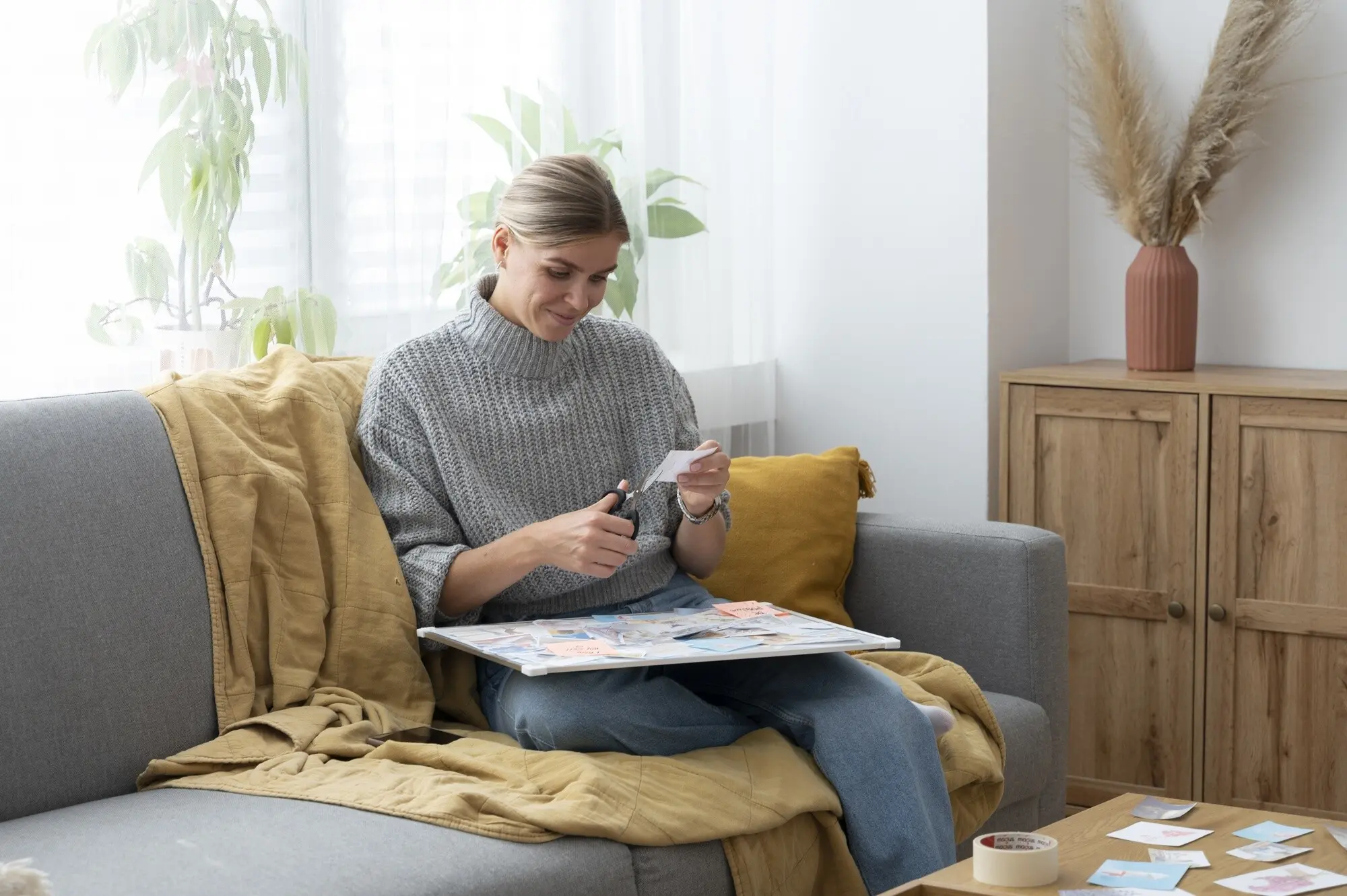
Today we explore Everyday Skill Experiments, a playful approach to improving daily abilities through tiny, safe-to-fail trials. Expect practical prompts, lively stories, and simple measurements you can run tonight, then refine tomorrow. Subscribe, comment with your trials, and celebrate progress that feels surprisingly human. Bring a notebook and curiosity; leave perfectionism at the door.

Designing Micro-Challenges You’ll Actually Try

Start by shaping experiments that fit your real constraints: five minutes between meetings, a stroller walk, or a lunch break. Choose a single capability, set a playful rule, and promise yourself one attempt today. Share results with a friend to transform hesitation into momentum and meaningful learning.

Before–After Snapshots

Snap quick photos or jot one-sentence logs before and after each attempt: the countertop mess, the email draft, the posture check. Visual contrasts reveal practical wins faster than memory. Celebrate small gaps closing; they compound quietly into confidence and smoother, more reliable daily performance.

Single-Variable Tweaks

Adjust just one factor at a time: tempo, lighting, wording, or tool. By keeping variables singular, you learn causality instead of guesswork. Make the tweak feel slightly playful, and quit early when it works, protecting enthusiasm and future willingness to experiment again.

Weekly Retrospectives

End each week by answering three questions: what worked, what failed safely, and what I will test next. Keep answers tiny but honest. The ritual converts scattered attempts into a storyline you can trust, encouraging steady refinement rather than impatient reinvention.

Time, Energy, and Attention as Materials

Treat time, energy, and attention like materials you can shape. Map your alertness and match harder practice to brighter hours. Protect brief islands of deep focus and generous lagoons of rest. Tracking patterns gently beats forcing willpower, especially during stressful or sleep-limited seasons.

Energy Mapping Routine

Across a week, note when you feel clear, foggy, or wired. Pair creative drills with clarity, admin chores with fog, and social tasks with wired energy. This compassionate alignment turns the same minutes into better outcomes without demanding heroics or unrealistic lifestyle changes.

Focus Intervals that Fit Life

Experiment with intervals that respect your day: fifteen focused minutes, two-minute resets, or thirty-minute blocks. Label the intention, close distractions, and begin gently. When the timer ends, stop proudly. Reliable endings rewire dread into eagerness, making tomorrow’s session begin almost by reflex.

Kitchen, Desk, Street: Everyday Laboratories

Transform ordinary places into playful laboratories. The kitchen becomes a timing coach; the desk, a clarity gym; the street, a balance studio. Notice textures, smells, and sounds that guide decisions. Real environments teach faster because feedback arrives immediately, honestly, and sometimes with delicious rewards.

Cooking with Constraints

Cook with one constraint, like only three spices or one pan. Time the prep, plate mindfully, and eat without screens. Record one bite-sized lesson. Kitchens reward iteration quickly, and the next meal arrives soon, inviting a new adjustment and another quiet, satisfying improvement.

Commute Drills

Use commutes to test micro-drills: heel-to-toe walks, gentle posture resets, or naming five nearby colors. These simple practices sharpen awareness, steady breathing, and balance. Arrive calmer, collect a small win, and reframe travel time as nourishing instead of exhausting or wasted.

Measuring What Matters Without Killing Joy

Measure enough to notice progress, not so much that joy disappears. Favor simple counts, quick notes, and occasional videos. Let metrics start conversations, not verdicts. When numbers feel heavy, switch to stories, feelings, and momentum signals that renew courage and curiosity.

Tiny, Honest Metrics

Track one tiny indicator you will actually record daily: minutes played, lines written, or cups of water. Honest data, even small, beats ambitious fantasies. Over weeks, the gentle graph nudges identity, inviting you to act like the person you’re becoming.

Narrative Notes Over Numbers

Write a few lines describing what felt different: lighter hands, braver voice, calmer breath. Stories make improvement memorable, shareable, and emotionally real. They also spotlight context, helping you replicate success under similar conditions rather than chasing mysterious, unrepeatable peaks.

Signals of Momentum

Notice signals that momentum is alive: you start earlier, smile during practice, or teach someone a trick. These subtle cues often arrive before metrics rise. Trust them, and let them steer the next experiment size, cadence, and level of joyful difficulty.


Community, Accountability, and Serendipity
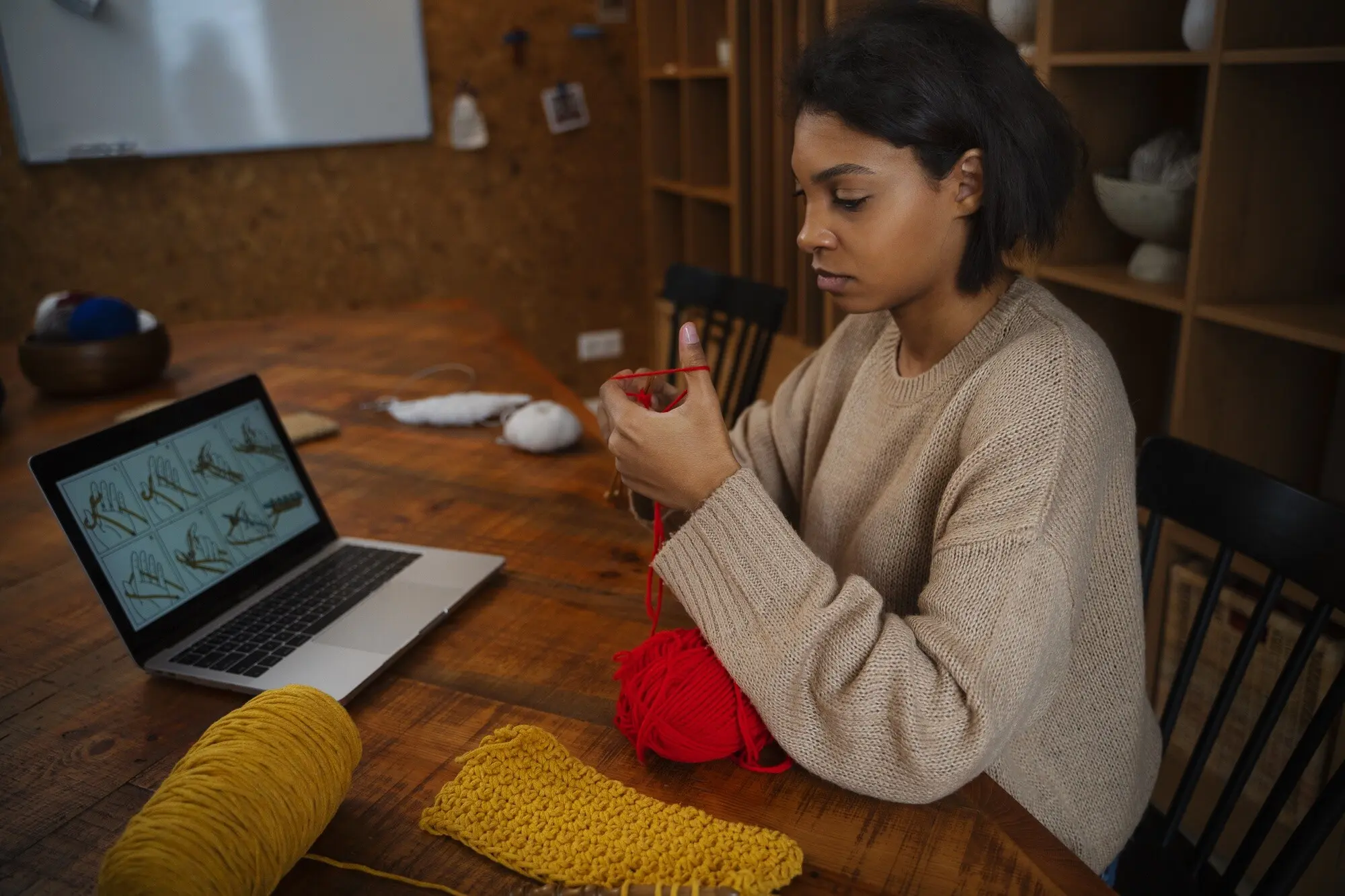
Invite others into your playful practice. Pair up, share tiny pledges, and remix ideas generously. Communities amplify courage, catch blind spots, and multiply serendipity. With kind accountability and frequent celebration, everyday experiments become a shared language that travels across kitchens, studios, sidewalks, and inboxes.

Rotate Skills on Purpose

Intentionally switch focus every few weeks: voice, memory, flexibility, or typing speed. The rotation protects enthusiasm, reveals transferable patterns, and lets neglected muscles rest. When you return, freshness accelerates learning, and the skill often rebounds beyond its previous plateau with less strain.

Rituals that Reset Motivation

Create lightweight rituals that signal entry: a bell, a breath, a chosen song. Use them to restart after setbacks without drama. Rituals carry you across inertia, reminding the body what to do even when the mind hesitates or second-guesses.